
When Is It Time to Stop Repairing a Car?
One repair does not always mean a vehicle has reached the end of its useful life. Sometimes fixing the problem makes sense. Other times, one repair leads to another, and the owner starts wondering how much more money to put into the car.
There is no single age, mileage, or repair amount that answers that question for everyone. The better decision depends on the vehicle’s overall condition, the problems it has, and whether keeping it still fits your plans.
If you have decided not to continue repairing the vehicle, Junk Car Buyers-R-Us may be able to purchase it in its current condition.
Look Beyond One Repair Bill
A large repair estimate can get your attention, but look at what the vehicle needs as a whole.
An engine repair may make sense on an otherwise dependable car. That same expense may be harder to justify when the vehicle also has transmission trouble, electrical faults, collision damage, or other costly problems.
Consider what you have already repaired and what may still need attention.
When Repairs Keep Coming Back
Frequent trips to the shop can change the decision.
You may fix one problem only to see another warning light a few weeks later. Different components wear at different times, making repeated repairs difficult to predict or budget for.
Keeping track of recent repairs can help you see whether the vehicle is becoming dependable again or simply creating another expense.
Think About How You Use the Vehicle
Condition matters, but so does your situation.
A vehicle used every day for work may need to be dependable in ways that an occasional second car does not. A truck that once served a purpose may now spend most of its time parked. You may have already replaced the vehicle and no longer want to keep spending money on it.
Sometimes selling makes sense even when the car could technically be repaired.
High Mileage Is Only One Part
Mileage alone does not decide whether a vehicle is worth keeping.
Some high-mileage vehicles remain dependable, while lower-mileage cars can develop expensive mechanical or electrical problems.
Look at the complete picture: how the vehicle runs, how often it needs repairs, what has already been replaced, and what problems remain.
When Safety Problems Change the Whole Equation
Some problems deserve extra attention before the vehicle is driven again.
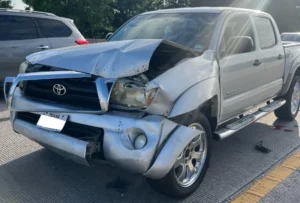
Collision damage, braking concerns, steering problems, structural damage, or serious electrical issues may require professional inspection before the vehicle returns to the road.
If you have already decided not to repair it, you do not need to make those repairs simply to contact us about selling the vehicle.
A Better Option Than Another Repair
A vehicle does not have to be completely disabled before selling becomes an option.
At Junk Car Buyers-R-Us, we buy junk cars and complete vehicles that may still start and drive but have mechanical, electrical, collision, flood, or other problems.
A vehicle may still have some usefulness while no longer being the right car for you to keep.
What to Send Us
If you decide to sell instead of continuing with repairs, send:
- Year, make, and model
- Pickup ZIP code
- Current condition
- Main known problems
- Title status
- Five current photos
- VIN, if available
Also tell us if major parts have been removed from the vehicle or if access for a tow truck may be difficult.
If you have questions about ownership paperwork, our guide to checking a Texas vehicle title explains what to consider before selling.
Ready to Stop Spending on a Car That Keeps Costing You?
If another repair no longer makes sense for your situation, Junk Car Buyers-R-Us may be able to purchase the vehicle as it sits.
We use the vehicle details you provide to determine whether we can purchase it and explain the offer and available pickup arrangements before you decide whether to proceed.
Towing is included when we purchase the vehicle, and cash payment is made at pickup.
Send us your vehicle details when you are ready to sell it.